
Ever walked past a neat backyard shed and thought, “I need one of those – but make it mine?” Custom sheds for homes are exactly about that – turning boring storage spaces into tailored retreats or workshops that suit your lifestyle. Whether you’re craving a home workshop, a stylish she-shed, or just a better place to stash the lawn mower, a custom shed can be your secret weapon for extra space and serious home appeal.
Why Choose a Custom Shed?
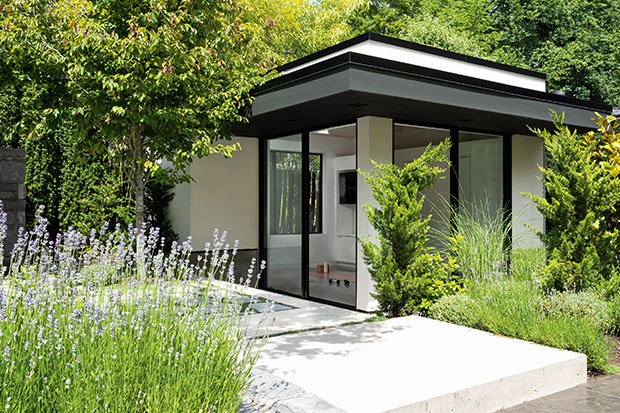
Think of a custom shed as an extension of your personality and home – not just a metal box. You design the layout, the doors and windows, and even the colour, so it feels like it belongs right there in your yard. Want a massive workbench along one wall and space for your surfboards? Or maybe a mini garden lounge with French doors opening onto the yard? Unlike a standard off-the-shelf shed, a custom-built one can match your exact needs and your home’s style.
In Queensland’s climate, that also means choosing the right materials. For example, Colorbond® steel sheds are popular here for their rust resistance and range of colours, while timber sheds lend a charming cottage vibe. A smart comparison table can help plan this – see below for a quick snapshot of common sizes and rough costs.
Budgeting Your Shed: Costs & Add-Ons
Let’s talk dollars and sense (pun intended). How much does a custom shed cost? The short answer: it depends on size, materials, and extras. But to give you a ballpark, many suppliers estimate ranges for turnkey installs (shed kit + slab + labor + GST). For instance:
| Shed Type | Size (m) | Total Installed Cost (AUD) |
|---|---|---|
| Small garden/storage | 3 × 3 (9 m²) | ~$2,200 – $4,200 |
| Long storage shed | 3 × 6 (18 m²) | ~$5,800 – $9,500 |
| Single car garage | 3.5 × 6 (21 m²) | ~$10,000 – $18,000 |
| Double car garage | 6 × 6 (36 m²) | ~$16,000 – $30,000 |
| Workshop | 6 × 9 (54 m²) | ~$22,000 – $40,000 |
These figures include a basic concrete slab and installation by professionals. They’re drawn from recent Australian price guides. Notice how costs scale up quickly with size and features. For example, adding heavy-duty roller doors or insulation can add thousands. Another factor: cycling wind zones. Much of coastal Queensland is in Cyclone Regions C/D, so sheds often need reinforced frames and wind-locked doors. This can tack on roughly 15–35% extra to the structural cost.
When planning your budget, break it down: the shed kit itself, a slab or footings (typically ~$120–$180 per m² in metro QLD), plus erection labor (~20–30% of kit cost), and any extras like electrical wiring, insulation, or mezzanine floors. For example, a 6×9m Colorbond shed on a slab might cost ~$30,000 all up including GST. Always add a buffer (say 10%) for unexpected site works or permit fees.
Picking the Right Size and Style
What footprint fits your needs? Small and simple, or big enough to park a boat? Queensland homes have a range: in suburban backyards you might see 3×3m garden sheds, but hobbyists and serious handymen often opt for workshop sheds (e.g. 6×9m) or even larger garage-style sheds.
- Compact (≤10 m²): Enough for garden tools, a bike, or a mini potting area. Often exempt from approvals (see next section).
- Medium (10–30 m²): Ideal for a single car, a tidy workshop, or split zones (storage plus small bench).
- Large (30–60 m²+): Full double garages, boat storage, or industrial-style workshops. Allows multiple roller doors, workbenches, and even a loft.
Size tip: A 6×6m (36m²) double garage is huge – big enough for two cars plus a workbench at the back. In contrast, a cosy 3×3m (9m²) garden shed might hold just a lawnmower and tools. Think about how you’ll use it. Will it need clear internal height for shelving or loft storage? Sketch it out or use a planning tool.
Additionally, consider roof style and wall height. A gable roof looks classic and sheds water well, while a skillion roof (single slope) can give extra height on one side (good for tall equipment or skylights). Queensland’s sun can be fierce, so you might also prioritize UV-resistant paints or exterior finishes.
Approvals in Queensland: What You Need to Know
Before you hire a boom crane, check the rules. Queensland councils have friendly rules for small sheds. In general, any free-standing shed under 10 m² (and under 2.4 m high) can often be built without a formal building approval. That’s great for tiny garden huts! However, these “class 10a” structures must meet setback (boundary) and non-habitable criteria.
Outside these limits, you’ll likely need at least a building permit and possibly planning approval. For example, a double garage or workshop almost always exceeds 10 m², so you’d arrange certification (usually via a private building certifier) to ensure it meets the Queensland Development Code and wind load rules. Brisbane City Council notes that larger sheds must comply with fire separation and structural standards.
Quick rule-of-thumb: If you need space for a car or plan to enclose the shed fully, assume you’ll deal with paperwork. On the bright side, certified sheds boost your house value and safety. Just hit your local council website (for example, Brisbane Council’s shed page) or talk to a builder for exact guidance on approvals.
Materials & Style: Making It Yours
Let’s talk finish. The material choices define both the look and longevity of your shed:
- Walls & Roof: The Aussie classic is Colorbond® steel – sleek, many colors, and tough on rust. It’s pricier than plain galvanized (Zincalume), but pays off in durability and aesthetics. If you want a natural look, timber cladding (and a timber frame) can give a “cottage in the backyard” vibe, though it requires more upkeep.
- Floors: Most custom sheds sit on a concrete slab for stability. Alternatively, a raised timber floor can work for a garden studio. Concrete costs around $150/m² in cities, and your shed kit supplier can usually build the slab too.
- Doors & Windows: Roll-up garage doors are common and space-efficient, especially with wind locking for QLD. Personal access (PA) doors should have insulated cores if you live in the tropics. Skylights or windows are great ideas for natural light – something to plan early.
- Insulation & Ventilation: To keep your shed from turning into an oven in summer, consider an anti-condensation blanket under the roof (adds ~$20–$90/m²) or roof insulation panels (more expensive, but thermally efficient). Also think whirlybird vents or vents high up. A well-ventilated, insulated shed can drop interior temps by ~10°C, making it truly usable year-round.
In styling terms, match your shed to your home or your mood. Many Aussies pick a Colorbond shade to complement the house or go bold (hello, Surfmist and Woodland Grey!). A fresh coat of paint on doors or trim can tie it all together. Personal touches like flower boxes, a trellis, or smart lighting can transform a shed into a feature, not an afterthought.
Building Your Shed: DIY vs Hiring Pros
Ready to build? Here’s a typical process, whether you’re DIYing or working with a contractor:
- Design & Quote: Decide on shed dimensions, colors, and extras. You might sketch a rough plan or have an expert do it. Get quotes for a supply-and-install vs. a kit-only. Factor in crane hire if needed.
- Site Prep: Clear the area, ensure it’s level, and mark out setbacks. Check underground cables or services.
- Foundation Work: Pour the concrete slab or footings (this often runs ~$120–$180/m² in cities). This step usually needs 1–2 days plus curing time.
- Assembly: Erect the frame and panels. For professionals, a typical 6×6m garage might take a couple of days. If you’re DIYing a small shed, it could be a weekend project with help. Important: ensure walls and roof panels are square and sealed at seams.
- Fit Doors/Windows: Install roller doors, side doors, and any windows. Add trim, flashings, and sealants to keep weather out.
- Finishing Touches: Gutters and downpipes, lock hardware, shelves or workbenches inside, paint touch-ups. If you’re running power in, coordinate a sparkie to put in lights or outlets.
Some folks elect a prefab kit – a partially assembled set of panels. Kits are cheaper but still need skilled hands for erecting them properly. On the other hand, hiring a best shed builder will usually include all steps, including meeting the engineering requirements for cyclonic wind loads. It’s often worth it to pay for peace of mind (and warranty) given how tricky heavy structures can be.
Top Tips & Common Questions
- Plan for expansion: If you might ever add a mezzanine loft or extend the shed, get engineering now. Retrofitting later can be costly.
- Local Style: Check neighbourhood aesthetics. In heritage or coastal areas, there might be style guidelines (e.g. color restrictions).
- Budget for extras: Light, power points, ramps for lawnmowers, or even air conditioning for a workshop can significantly add to cost – usually around $800+ per addition.
- Consult experts: A private building certifier can spot issues early (especially in cyclone zones). It’s better than getting hit with a council notice later!
- DIY-friendly tips: If you tackle it yourself, recruit friends and use plenty of temporary supports. Some companies rent out harnesses or pole lifters to manage roof sheets safely.
Conclusion
A custom shed is more than a storage box – it’s a personal project that can boost your home’s function and style. From nailing down your ideal size and color, to budgeting for wind-proofing and permits, a bit of homework goes a long way. In Queensland’s varied climate, don’t skimp on smart choices like proper materials and approvals.
By the end of this guide, you should feel confident sketching your dream shed plan. Now it’s over to you: measure your space, get a few quotes, and maybe visit local display centers. With the right planning, you’ll soon be enjoying that extra workshop, studio, or private hideaway you’ve been craving. Ready to build your dream shed? Let’s make it happen!
FAQs: Custom Sheds for Homes
How much does a custom home shed cost in Queensland?
It varies widely by size and features. As a rule of thumb, a small 3×3 m Colorbond storage shed (with slab and install) might run about $2,000–$4,000, while a typical 6×6 m double garage could be $16,000–$30,000 . Cyclone-rated designs add roughly 15–35% extra. Always get quotes that include the slab, doors, and installation so you know the true turnkey price.
What sizes do home sheds come in?
Common shed footprints are 3×3 m, 3×6 m, 6×6 m, 6×9 m, etc. A 3×3 m (9 m²) shed is very small – think lawnmower and bikes. A 6×6 m (36 m²) double garage is spacious enough for two cars and a small workshop bench. Always plan the internal layout: for example, a 6×9 m shed can allow separate zones or even a mezzanine. Use a table or chart (like above) to compare size vs. use-case.
Do I need council approval to build a shed?
In Queensland, sheds under 10 m² (and below 2.4 m height) are often exempt from approval. Bigger sheds generally do need a building permit (and sometimes planning approval if they don’t meet local codes). Always check your local council website or ask a certifier. It’s usually a straightforward process if you have the right engineering plans for wind and structural loads.
Should I choose Colorbond steel or Zincalume?
Both are Aussie-made steels, but Colorbond comes pre-painted in many colours, and its coating is specially formulated to resist corrosion, especially near the coast. It’s the premium choice for home sheds. Zincalume has a shiny aluminium-zinc finish – it’s cheaper but offers less colour variety and slightly lower coastal protection. For a modern look and maximum durability, many QLD homeowners opt for Colorbond.
How long does it take to install a custom shed?
A small kit shed might go up in a weekend with help. A mid-size shed (double garage) typically takes 2–3 days for professionals, after the slab is ready. Allow extra time for the site prep (clearing, plumbing of slab, inspection) and for council approvals (could be weeks). Weather and complexity (e.g. adding a mezzanine or complex roof) can extend the timeline. Plan for 4–6 weeks from ordering to completion to be safe.