
Imagine turning that bare patch of backyard into your personal workspace or a backyard retreat. In Queensland, where sun-filled weekends meet sudden tropical storms, a sturdy new shed is more than storage – it’s a lifestyle upgrade. Whether you want a quiet home office, extra storage, or even a secluded she-shed hideaway, shed installation services in QLD cover it. As someone who’s helped friends plan and build sheds, I’ll walk you through costs, steps and timeline of making it happen.
Sheds: More Than Just Storage
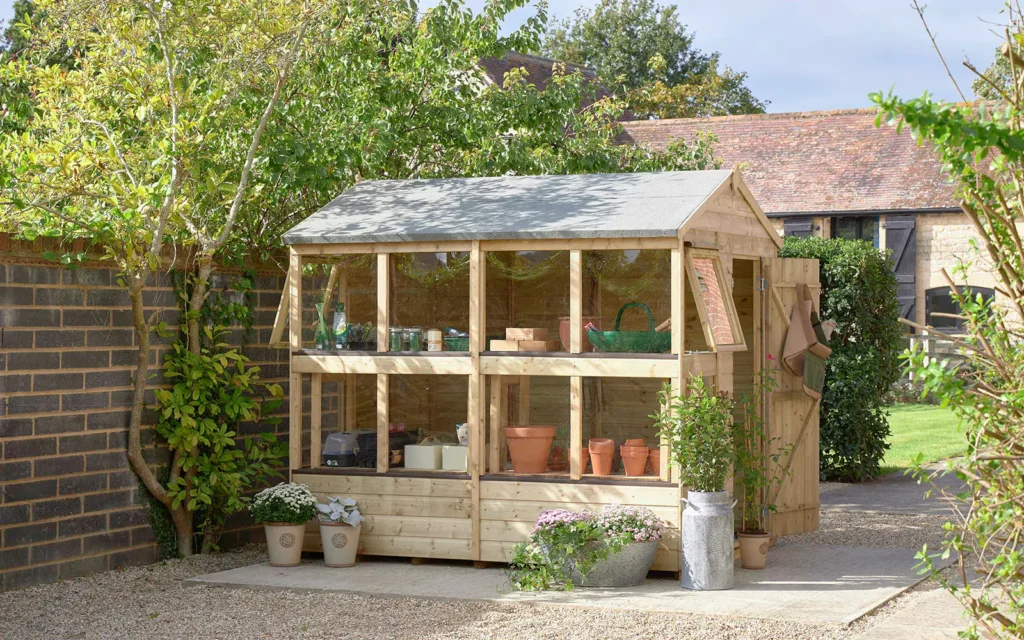
These days, sheds aren’t the dusty old boxes of the past. People are transforming them into pool houses, home offices, art studios or barbie-side hangouts. (Seriously, I fantasize about a weekend hideaway with a cold drink whenever I see a comfy shed.) Clients often wonder if a shed can double as a chic man-cave or guest room. The answer? Absolutely. You’ll find lightweight Colorbond steel models, charming wooden styles, and even big Industrial Sheds for workshops or farm use.
Breaking Down the Costs
So, how much does shed installation cost? That’s the million-dollar question (okay, thousands, but you get it). The price swings widely. A small garden shed might start around $2,000–$3,000 all-up (including a basic slab and assembly), while a larger two-car garage shed could easily climb above $10,000 once you’ve factored in everything. Here’s the quick lowdown:
- Size & design: Tiny 2×2 m sheds can start as low as $500 for the kit itself (though expect more for foundations and fitting). A 6×6 m double-garage steel shed might cost $3,000–$5,000 just for the panels alone. Fancy extras like windows, decks or a verandah add to the cost, since they require more materials and labour.
- Materials: Plastic or polypropylene sheds seem cheap (often $1,000–$2,000), but they don’t last as long in harsh weather. Steel sheds made of Zincalume or Colorbond cost more upfront (a few hundred dollars extra per panel), but handle heat and storms better. Hardwood sheds can range $1,500–$5,000 depending on timber quality and finishes.
- Foundation/site prep: Don’t skip this. A slab or pier foundation is crucial. Slabs cost about $70–$100/m² (roughly $1.9k for a 6×6m slab). Builders may add $1.2–3k for assembly on a prepared pad. Think of the slab as the stage for your shed – a solid base means peace of mind (especially if cyclones loom).
- Extras & finishing: Insulation, shelving, electrical wiring, a fresh coat of paint or gutters – even basic touches can add up. These extras (and the labour to install them) might tack on hundreds more to the final bill.
To make this clearer, here’s a rough cost guide:
| Shed Type/Size | Base Material | Supply Cost (approx.) | Installation Range |
|---|---|---|---|
| Small garden shed (2×3 m) | Steel kit or timber | $500 – $1,500 | $500 – $1,200 |
| Medium shed (6×4 m) | Steel or timber | $2,000 – $5,000 | $1,000 – $3,000 |
| Double garage (6×6 m) | Colorbond steel | $3,500 – $8,000 | $2,000 – $4,000 |
| Workshop (10×6 m) | Steel (Cyclone-rated) | $8,000 – $15,000+ | $3,000 – $6,000 |
These are ballpark figures for Queensland. Exact costs depend on your location, builder rates and site conditions.
The Installation Process (Step by Step)
Alright, now let’s break down the typical workflow. Installing a shed is like a mini-construction project:
- Planning & design: First, decide where the shed will go. Measure your block, check property lines and clearances, and pick a style and size. If you’re hiring pros, they’ll often sketch up plans or 3D models. I double-check property stakes carefully – nobody wants a lopsided shed!
- Approvals: Before swinging a hammer, sort your permissions. Tiny sheds might skip formal approval in Queensland, but larger ones need a permit. Sorting the paperwork can take a few weeks, so plan ahead.
- Site preparation: Next, get the area ready. The builder will clear vegetation, level the ground, and set up markers. On a sloping block, this might involve some earthworks or filling.
- Foundations: Most sheds sit on either a concrete slab or concrete piers. For a slab, crews will frame the area and pour concrete. Once poured, the slab needs a few days to harden before assembly.
- Assembly: Now your shed takes shape. Builders erect the frame, then bolt on walls and roof panels. Doors, windows and trims go in next. A small shed can go up in a day; a bigger shed might take a week or more, depending on complexity and weather.
- Finishing touches: Finally, the team tidies up, installs gutters and maybe applies a coat of paint or sealant. If you wanted insulation or shelving, they’ll nail those in too. Once cleaned up, your new space is ready to use.
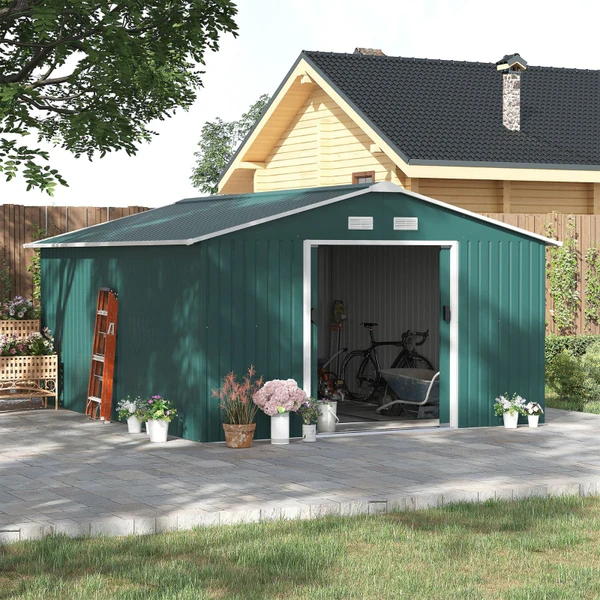
As you can see, taking these steps in order makes a world of difference. There’s a reason pros often say a shed project takes 2–3 months from start to finish (especially once you add in approvals). Even if you go the DIY route, don’t rush it: a solid base and careful assembly will pay off in the long run.
Timeline: From Plans to Power Tools
Expect a fair bit of waiting between the exciting parts. Here’s a rough timeline in Queensland:
- Design & Permits: 2–6 weeks. Small sheds with no permit needed go faster. If approvals are required, allow a month or two (councils can be booked out).
- Fabrication & Delivery: 2–8 weeks. Custom sheds might need a few weeks to be made. Even kit-sheds often have lead times. Delivery to your property adds a bit more time.
- On-site Build: 1–2 weeks. Once everything’s on site, actual assembly is pretty quick. Rain or wind can delay the crew, so pick a dry spell if you can.
- Total: Roughly 3–6 months. So a standard backyard shed might be done in 2–3 months; a big custom garage could stretch to 5–6. All those moving parts (design, council, slab, build) add up.
Patience here pays off in a well-built shed that won’t leak or blow away.
Navigating Permits and Regulations
Now, the legal stuff: not the most thrilling, but absolutely crucial. The good news is Queensland’s rules are pretty clear. If your shed is small enough, it’s usually classed as a Class 10a building (non-habitable), which has lighter requirements. In practical terms, if your shed is under 10 m² and 2.4 m high, you probably won’t need a formal building approval. Brisbane City Council’s guidelines spell this out clearly. If your shed is larger, taller, or too close to a boundary, you’ll need to apply for a permit to be safe.
That said, always double-check the criteria: some neighbourhood plans, flood zones or heritage areas still require paperwork. Without the right permit, you could face fines or even have to redo work. When in doubt, have a quick chat with your local council or a licenced builder before you start – it can save a world of pain later.
Conclusion: Build Smart, Dream Big
Now you’ve got the lay of the land (literally). Shed installation services cover the whole journey – from designing and permitting to the final coat of paint. Key takeaways: plan thoroughly, budget for quality, and give it time. Queensland’s climate isn’t joking, so a little extra spent on bracing, ventilation and good roofing really pays off.
Whether you’re eyeing a simple backyard tool shed or going all-out with a multi-car workshop, the process is largely the same: design it, sort the approvals, prepare the site, and assemble. Choose reputable installers (or if you go DIY, follow instructions to the letter) and you’ll be enjoying the extra space under your new shed before you know it.
So, what kind of shed are you dreaming up? Maybe it’s time to call a shed installer or get some quotes. With a bit of planning and the right help, your perfect shed – and all the extra space it brings – could be just a few months away. Go on, make it happen.
Frequently Asked Questions
Q: How much will shed installation services cost me in Queensland?
A: It really depends on your needs. A basic small shed (think 2×2 m) could end up around $2k–$3k installed, while a larger two-car shed easily hits $5k–$10k+ all-up. Key factors are size, materials and site prep. It’s wise to get a few quotes and compare what’s included (slab, delivery, extras).
Q: How long does shed installation take from start to finish?
A: Plan on a few months. In general: 2–6 weeks for design and permits, 2–8 weeks for your shed kit to arrive, then 1–2 weeks for on-site assembly. So a small shed might be done in 2–3 months, but a big custom one might stretch to 5–6. Weather and council queues can stretch this, so always build in a buffer.
Q: Do I need council approval to build a shed in Queensland?
A: It depends on size and location. Under QLD rules, sheds under about 10 m² and 2.4 m high usually don’t need a formal building approval. Anything bigger, or that’s near a boundary or in a special zone, will need at least a building permit. Always check with your local council to be sure.
Q: Can I install a shed myself, or should I hire a professional?
A: You can DIY a small shed kit if you’re handy. But for larger or steel sheds, a professional crew is worth it. Pros know how to bolt it up plumb, meet codes and handle permits. Hiring a qualified shed builder is a solid investment if you value your weekends (and your new shed’s longevity!).
Q: What does a typical shed installation service include?
A: A full-service installer usually does it all. That means confirming plans, handling approvals, preparing the site (clear and level), pouring foundations if needed, assembling the shed panels and frame, and adding finishing touches (gutters, paint, insulation). They basically treat your new shed like a mini-construction project – so you don’t have to sweat the details.