
Building a new shed? Think beyond four walls – your shed’s layout shapes how you use it for years. This isn’t about square footage; it’s about how the space flows for your needs. Great shed design and build is not just about materials, but about flow. You might picture tools piled or boxes on the floor. I once had a shed so packed with paint cans that finding anything felt like a treasure hunt. There is a better way: plan smart from the start so your shed design and build avoids clutter and chaos down the line.
No fluff, just honest talk. We’ll discuss smart layouts, maximizing space and staying legal (no surprise fines!). And you don’t have to go it alone – talk to an Expert shed builder in queensland to make sure your plan works. By the end, your shed will be a space you’re proud of – one that grows with you.
Plan Your Shed’s Purpose (and Future Needs)
First things first: what will your shed do? Is it a tool hutch, an art studio or a personal gym? Write down your top uses. For example:
- Storing lawnmowers, gardening tools, bikes.
- Serving as a home workshop with a workbench.
- Hiding away a yoga studio or home gym.
Your needs next year or five years from now might change. Maybe you’ll want extra storage or space for a new hobby. A versatile layout—like an open floor plan with portable shelves—means you can adapt. Don’t build for one purpose only; design to pivot. This foresight is exactly what separates successful shed design and build projects from regrets. These steps form the blueprint of your shed design and build plan.
Layout and Organization
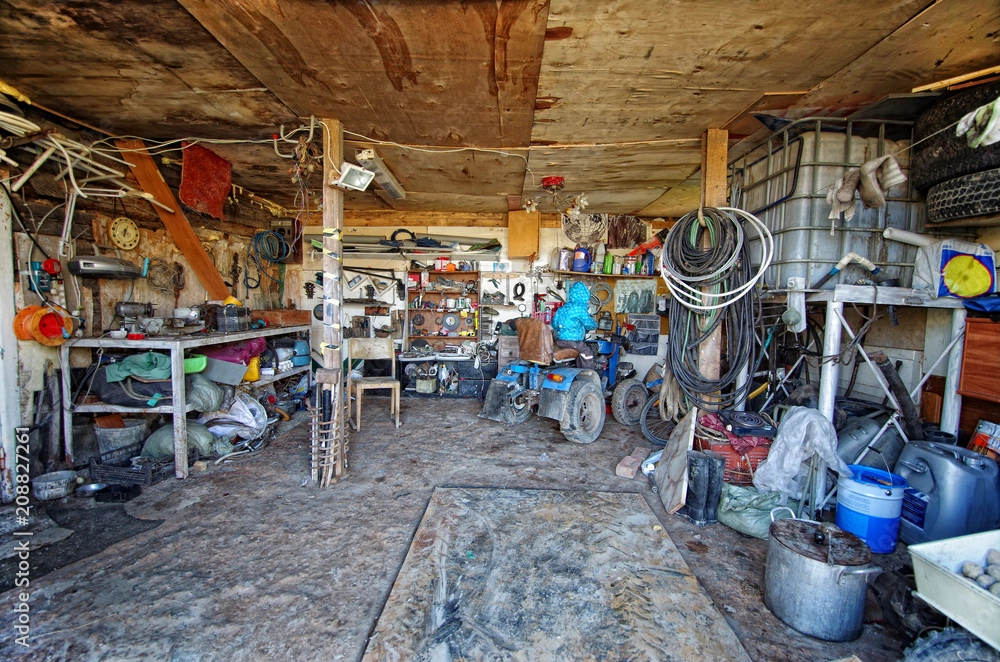
Once uses are clear, map out a layout. Keep things accessible: place frequently used items near the door and leave clear walking paths. In large sheds, an open central area with shelves on the sides often works best. It’s the core of any good shed design and build.
For example, in a small shed a wall of pegboards and hooks can turn jumbled tools into an organized arsenal. In larger sheds, divide zones: a workbench here, a bike rack there. Avoid interior walls — they eat space and lock in the layout. A simple, open design cuts construction costs and keeps the space flexible. Every choice shapes your shed design and build in the long run.
Maximize Storage Options
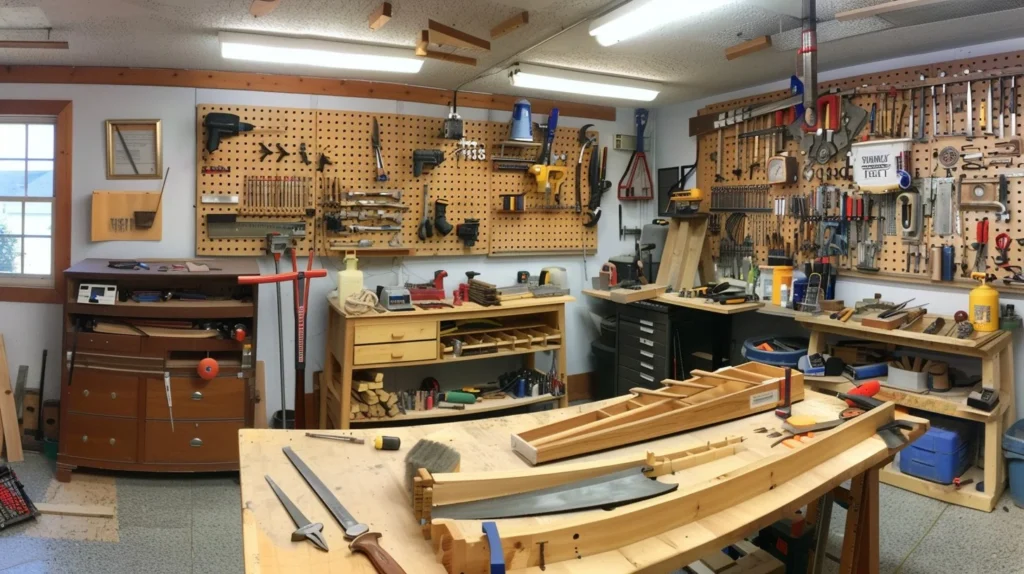
Tall shelving, pegboards and ceiling lofts turn wasted height into prime storage. Hooks for bikes or garden tools, clear bins for screws and nails, and labeled containers multiply capacity. Place heavy items on lower shelves and lighter ones up high. Even the back of the door can hang tools or hoses. Every unused inch counts! Thinking vertically is a smart principle for any effective shed design and build.
Ventilation and Climate Control
In Queensland’s steamy climate, ventilation is king. Plan for cross-breezes: install vents or louvre windows on opposite walls so cool air enters one side and hot air exits the other. Add a roof vent or whirlybird to let heat escape continuously. Insulation ties in too – an insulated roof and walls keep the shed cooler in summer and warmer in winter, and also reduce noise. In short, don’t trap heat or humidity: good airflow and insulation ensure both your tools and you stay comfortable year-round. These steps you won’t regret in your shed design and build.
Materials and Durability
Long-term means tough weather. Colorbond or galvanised steel sheds (common in QLD) are fire- and rot-resistant, termite-proof and low-maintenance. If you prefer timber, use treated pine or hardwood and repaint or reseal it every few years. Start with a strong foundation: a concrete or treated-timber floor keeps out moisture and stays flat. Build on level ground (or a gentle slope) for drainage, and don’t plant large trees too close. If you’re near the coast, choose stainless fixtures and window screens to fight salt-air corrosion. These choices are all part of a sound shed design and build strategy.
Regulations and Permits
Check council rules early. In Queensland, local councils treat sheds as Class 10a buildings. The Brisbane City Council notes you must follow standards on size, setbacks and safety. Small sheds (around 10m² or less) often don’t need permits, but larger ones do. Don’t guess – a quick chat with council can avoid delays and keep your shed design and build on track. Once you’ve got the green light, you can build with confidence.
Trends: Style Meets Function
Sheds aren’t just plain boxes anymore. People turn them into offices, studios or even “she-sheds” with furniture and lights. Design your layout to adapt: today’s potting corner could become tomorrow’s cocktail lounge. With more Aussies working from home, backyard office sheds are on trend that means planning in desks, wiring and big windows so the shed can pivot from storage to studio. In short, a flexible design stays relevant there’s always room to grow in a well-planned shed. Trends can influence how your shed design and build evolves.
Conclusion
By now you have a toolkit of ideas: clear purpose, flexible layout, smart storage, good ventilation and solid materials. Good shed design and build is about balance creativity with practicality. Each of these steps feeds into a successful shed design and build plan.
Summing up:
- Know your goals. Build for today and tomorrow.
- Use space wisely. Shelves, lofts and corners multiply capacity.
- Stay comfortable. Ventilate and insulate for our climate.
- Build smart. Pick durable materials and follow the rules early.
Most importantly, get help if you need it. Even if you DIY, a pro can answer tricky questions. An expert shed builder in Queensland will have seen dozens of layouts and can help you avoid pitfalls.
Your shed can be a place you love to use — not an afterthought. It’ll be that tidy corner of your life where everything makes sense. So grab a tape measure, sketch your plan, and start building. Your future self will thank you.
Frequently Asked Questions
Q: How should I plan my shed layout for long-term use?
A: Begin by listing all your current and future uses (storage, workshop, etc.). Leave space to move and use shelves that can adapt. Plan clear paths so you never have to crawl to reach your tools, and include ventilation/insulation from the start. These habits form your shed design and build blueprint.
Q: Do I need approval to build a shed in Queensland?
A: It depends on size and location. Small sheds (around 10m² or less) typically avoid full approval, but rules vary by council. Check your local council’s standards (e.g. Brisbane’s guidelines) early on so you don’t hit a snag – a quick chat can avoid delays and keep your shed design and build on track. Once approved, you’ll build with confidence.
Q: How do I keep my shed cool and dry in hot weather?
A: Ventilation is key. Add vents or louvre windows on opposite walls and a roof vent to let hot air escape. Insulating the roof and walls also keeps heat at bay. Keep the floor clear, trim plants for airflow, and use a light-colored exterior paint to reflect the sun. These measures contribute to a solid shed design and build.
Q: How can I maximize storage in a small shed?
A: Think vertical. Install high shelves, hooks or pegboards on walls, and use a ceiling loft if height allows. Store heavy items on low shelves and lighter items up high. Clear plastic bins and labels help you spot things quickly. Every inch counts! Everything in your plan should support a good shed design and build.
Q: How do I maintain my shed for long-term use?
A: Treat it like an extension of your home. Clean gutters and floors regularly, check for leaks after storms, and touch up any rust or chipped paint. Seal or repaint timber sheds every few years. A tidy shed is easier to inspect and keeps pests away. These habits help your shed design and build last for years.
Q: What mistakes should I avoid when designing a shed?
A: Common missteps include skimping on planning, underestimating storage needs, neglecting ventilation, and ignoring local regulations. For a smooth process, plan ahead and consider all aspects of your project.
Q: Should I hire a professional or DIY my shed design and build?
A: That depends on your skill and the project scope. DIY kits and guides can help, but an expert can optimize the layout and handle permits. Clear objectives are the heart of successful shed design and build.