
Picture like it’s a sunny Saturday afternoon in Brisbane, and you’re eyeing that empty patch of lawn thinking, “What would look better here than a shiny new shed?” From storing surfboards to creating a leafy home gym, backyard sheds are a big deal in Australia and Brisbane is no exception.
In fact, our subtropical climate makes a sturdy, well-ventilated shed a smart move for anything from garden tools to your latest DIY project. Sheds aren’t just boring backyard boxes anymore; they’re evolving into stylish studios, home offices, or even mini workshops.
In this guide I’ll walk you through everything you need to know about sheds Brisbane – from how much you might spend to the popular types of sheds, plus the coolest trends heading into 2026. You might be dreaming of that shed office or an extra garage space, and I promise to make it easy (and maybe a little fun) to figure out.
We’ll cover costs, materials, and even permits, so by the end you’ll feel like a shed-building pro. After all, building a shed is almost like planning a mini home – you want it done right.
As I started researching my own shed project, I quickly realized that Googling phrases like best shed builder brisbane was a smart move. Learning from the pros can save you headaches down the track. Whether you plan to DIY or hire experts, knowing the lingo helps.
So, let’s dive into the types of sheds first, then break down prices and trends, and wrap up with what to watch for in 2026.
Types of Sheds in Brisbane
Sheds come in all shapes and sizes, and the right type depends on your needs and style. Here are some common options you’ll see around Brisbane:
- Metal Sheds (Steel/Colorbond) – These are the classic Aussie sheds. Made from steel (often Colorbond or Zincalume), they’re super durable and weather-resistant – perfect for Brisbane’s sun and summer storms. Many Brisbane homeowners choose Colorbond sheds because of the wide colour range (yes, you can match your house!). Steel sheds can serve as garden storage, garages, or workshops. They’re usually pretty affordable and low-maintenance.
- Timber Sheds – Wooden sheds add a rustic or cozy look. They can be great for “she-sheds” or home studios, blending nicely with gardens. Timber sheds handle Australia’s heat surprisingly well, but they do need treatments against termites and rot. Many people prefer timber if they want to paint or stain to match their house. Keep in mind wood sheds need some maintenance (painting or staining every few years).
- Plastic Resin Sheds – Think quick-and-cheap solution. Small plastic sheds (often made of PVC or resin) are lightweight and easy to snap together. They’re cheap (sometimes under $1,000 for small kits) and rust-proof, but not as sturdy as metal or wood. In Brisbane’s sun, some plastics can warp over time, and they’re not great for high-end use. Use them for basic tool or bike storage if budget is key.
- Hybrid/Custom Sheds – These might mix materials, like a metal frame with timber cladding, or glass elements (for a chic look). Some innovative designs use insulated panels or even container-style sheds. These tend to be more expensive but can be customized – think a workshop with a timber facade or a tiny house built in shed form.
- Liveable Sheds (She Sheds, Studios, Offices) – Nowadays, many people convert or buy larger sheds to use as home offices, studios, or even guest rooms. These are often well-insulated and can include windows, power, air-conditioning and decor. If you want a shed you can stay in, you’ll look for “liveable shed” features and might invest a bit more. By 2026, expect even more emphasis on these as remote work stays popular.
Each shed type has its pros and cons, so think about what you need. For instance, a metal shed with a roller door might be ideal for a workshop storing a car or lawnmower, while a timber or hybrid shed could be perfect for a backyard office where looks matter. In Queensland, most sheds use a metal frame (steel posts and rafters) since that handles the weather best. But you can spruce it up with color and finishes.
Cost of Sheds in Brisbane
“How much will this cost me?” is the big question. Shed prices vary hugely depending on size, materials and extras. To give you a clear picture, here’s a rough table of typical shed sizes and starting prices (kit only, excluding installation):
| Shed Type | Approx Size | Typical Kit Cost (AUD) |
|---|---|---|
| Small garden/tool shed | ~9 m² (3×3m) | $500 – $2,500 |
| Medium workshop/garage | ~36 m² (6×6m) | $3,000 – $8,500 |
| Double garage style shed | ~54 m² (6×9m) | $8,500 – $15,000 |
| Large farm/industrial shed | 100+ m² | $17,000+ |
(Note: These are ballpark figures for supply of the shed kit, based on market quotes in Brisbane. Actual prices may vary based on wind rating, customization, and supplier.)
- Small sheds (think a 3×3m garden shed) can be very cheap – some plastic kits start under $1,000, and basic metal ones maybe $1,500–$2,500. These are great for tool storage.
- Medium sheds (about 6×6m, i.e. a one-car garage size) often range from $3k up to $8k+ for a basic Colorbond kit. If you add a concrete slab or insulation, plan on more.
- Large sheds and garages (double car size or workshop, 6×9m or bigger) start around $8k and go up toward $15k just for the kit. Again, bigger or custom jobs jump dramatically. For example, a 100m² steel shed might cost $17k+ for the kit (Modern Steel Buildings lists an 8×12m shed at ~$21k and a 10×10m shed at ~$17.6k on their Queensland page).
- Extra costs: Don’t forget concrete footing or slab (often $75–$150/m²), council fees (see below), and if you hire a builder, labor is additional. One guide suggests even a simple concrete footing could add $500–$2,000 on top, and a double roller door adds $1,500–$3,000.
Several factors affect the total cost:
- Size and Complexity: Bigger means more materials and more labour. A simple rectangular shed is cheaper than one with multiple rooms, mezzanines, or fancy rooflines.
- Materials: Colorbond steel is common in QLD; it’s durable and mid-range cost. If you upgrade to thicker steel or special coatings, expect higher prices. Timber cladding or windows also add cost.
- Accessories: Adding roller doors, windows, insulation, or concrete floors will bump up the bill. For example, an electric roller door with a motor might be $1,500+ by itself.
- Location and Site Prep: If your site needs leveling, tree removal, or has tricky access, contractors will charge more. Urban Brisbane with restricted access can cost more for labour than a rural paddock.
- Labor vs DIY: If you’re handy and go DIY on the kit, you save on labour but spend extra time. Hiring a builder (who will ensure it’s built to code) is safer but costs more.
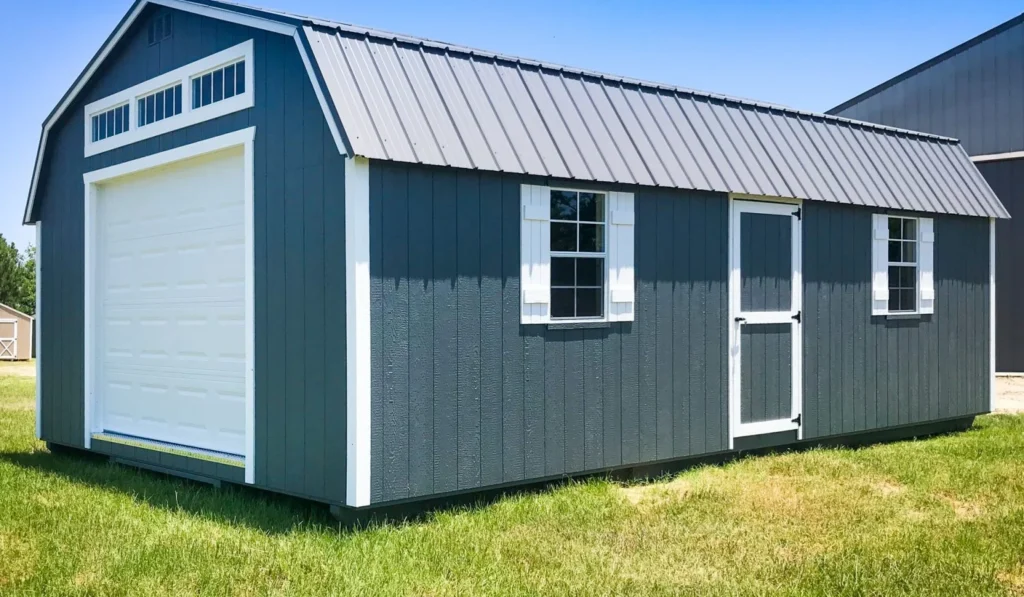
In short, budget anything from a couple thousand for a tiny kit up to $20k+ for a fully fledged workshop or garage. As one industry guide noted, a basic backyard shed might start around $2k, while a fully outfitted workspace with insulation and power could approach $20k. (Remember, those are rough numbers – prices often rise each year with material costs.) It’s wise to get quotes from a few local shed suppliers or builders to see where you land.
Building Permits & Regulations
Before you grab a hammer, check the rules. In Brisbane, small sheds can often be permit-free, but larger ones may need approvals. According to Brisbane City Council’s guidelines, you don’t need building approval for a very small non-habitable shed if it meets ALL of these: under 10 m² area (about 3.2m × 3.2m), no taller than 2.4m, and no more than 5m on any side. (Basically, a teensy garden box.) In practice, most weekend-size sheds are bigger, so chances are you will need at least a building permit.
Key points on approvals:
- If your shed exceeds those dimensions or has a concrete floor, or if it’s attached to another structure, you’ll need a permit. Essentially, think of it as “building work.” Also, any plumbing, wiring or living amenities would require approvals and inspections.
- Even if you’re DIY, it’s smart to consult a licensed certifier or builder (they’re regulated by the Queensland Building and Construction Commission). They can tell you exactly what’s needed and lodge applications for you. Brisbane’s council site notes that you should make sure your plan meets the National Construction Code for safety (e.g. proper footings, roofing standards, etc.).
- Don’t forget fencing or boundary rules. Many councils (including Brisbane) have requirements on how far a shed must sit from your fence or house, which affects size and placement.
When in doubt, get it approved. Fines for unapproved building works can easily exceed the cost of a permit. It’s one of those things where ticking the box now saves headaches later. For larger or insulated sheds (like office conversions), professional builders usually handle the paperwork.
What to Expect in 2026: Trends and Insights
Looking ahead to 2026, a few cool trends are emerging in Brisbane’s shed scene:
- Home Office & Studio Sheds – The post-pandemic work-from-home vibe is here to stay. More people are converting sheds into offices, hobby rooms, or teen retreats. Imagine a “she shed” or man-cave complete with air-conditioning, insulation, and Wi-Fi. This trend means you’ll see more sheds with windows, power points, comfy flooring and even mini-kitchenettes. As one industry insight put it, these aren’t just for storage anymore – they’re full-scale home extensions.
- Sustainability – Green building matters. Expect to see sheds with solar panels on the roof (especially in sunny Brisbane). Rainwater tanks and eco-friendly insulation (like recycled fibre or sheep’s wool) are becoming popular. Some people are even repurposing shipping containers or using recycled materials for a unique look.
- Smart Sheds – Tech is trickling into sheds. Smart security (cameras or app-controlled locks), remote-lit interiors, or IoT climate control could be standard by 2026. If you store expensive tools or equipment, these features add convenience and peace of mind.
- Prefab & Modular Sheds – Prefab shed kits will get even more advanced. Think “flat-pack homes” vibes. Assembly time can drop as manufacturers refine designs. The rise of “shedding” as a hobby (yep, shed-building TV shows are a thing) means kits will include more options for customization – you might pick a floor plan online and have a semi-custom shell delivered.
- Weather Resilience – Queenslanders know storms and hot summers are part of life. Expect a continuing focus on wind-resistant designs (bracing, heavy-duty anchors) and bushfire-resistant materials. Colorbond steel, for example, is Fire Rating tested and very reflective, making it a top choice in our region.
- Aesthetic Blends – Sheds that look good are trending. You’ll see more Colorbond sheds in earthy or trendy tones (Spotted Gum? Classic Cream? Woodland Grey?) to match homes or landscapes. Some folks add pergolas or planter boxes to integrate the shed into their yard design.
By 2026, I wouldn’t be surprised if your new shed comes with solar pre-wiring, a built-in insulated wall panel, or at least a snazzy shade over the entry. It’s a neat time to be in the market. Whatever your use, think long-term: even if you only need extra storage now, plan for future use (like an office or art studio), and factor that into your design and budget now.
Conclusion
Building a shed in Brisbane is exciting, it’s like creating a little extension of your home and lifestyle. We’ve covered a lot: the different shed materials (metal, wood, plastic), budget ranges (from a few hundred for a tiny kit up to $20k+ for big workshops), and even how Council rules play a part (small sheds might skip permits, but big ones need approvals). We also peeked into the future and saw that by 2026, sheds will be greener, smarter, and often double as home offices or studios.
Now it’s your turn to act. If a shed is on your to-do list, start by measuring your space, dreaming up its use, and then reach out for a quote. Reach out to local pros to compare ideas and prices. And when you’re ready, go for it – soon you’ll be kicking back in your new backyard hideaway!
What’s your next step? Sketch your ideal shed design, talk with a builder, or simply browse some brochures to see what catches your eye. Then share this post or ask questions; I’d love to hear what kind of shed you dream up for Brisbane.
Frequently Asked Questions (FAQs)
How much do sheds cost in Brisbane?
It varies a lot by size and type. Tiny garden sheds can start under $1,000, while larger custom workshops can run $10,000–$20,000 or more (kit only). Expect to pay extra for foundations, insulation, doors, or labour. Getting a few quotes is the best way to nail your budget.
What types of sheds are popular in Brisbane?
Steel (Colorbond) sheds are very popular for garages and storage, thanks to durability in our climate. Timber sheds are chosen for a cozy look (like backyard offices or “she-sheds”). Plastic resin sheds show up in smaller yards for budget storage. There are also “liveable” sheds with insulation and power for offices/studios. Choose based on function: storage, parking, or a space you’ll spend time in.
Do I need a permit to build a shed?
If your shed is small (under about 10 m² and low height) and basic, Brisbane’s rules allow you to skip a permit. But anything larger, taller, or with plumbing/electrics will need formal approval. It’s safest to check with Brisbane City Council or a licensed builder/engineer before you start.
Can I convert a shed into an office or studio?
Absolutely! Many Queenslanders do this. Just be aware you’ll need insulation, power, and possibly extra permits (especially if you add windows or air-con). Proper ventilation is important in our hot climate. Hiring professionals for the conversion work is a good idea for safety and compliance.
How long does it take to build a shed?
A simple DIY kit for a small shed could go up in a weekend (for a handy person). For larger kits or if you hire trades (electrician, concreter, etc.), it can take several weeks from start to finish – including getting council approval. Planning and permits can add time, so factor in a couple of months from planning to done in many cases.
What is the best material for a shed in Brisbane?
Many local experts recommend Colorbond steel, because it’s corrosion-resistant, fire-resistant, and reflects heat (keeping the interior cooler). It comes in many colors to match your house. If you prefer a natural look, treated hardwood can also handle our weather well. For simple storage, a tough resin shed is okay, but for anything serious, steel or quality timber are top picks.