
A good community sports ground has its own rhythm. Kids run in boots that still look too big, parents balance coffees and folding chairs, players warm up with serious faces, and someone always asks where the spare ball went. But when the Whitsundays sun starts biting or a sudden downpour rolls in, one thing becomes very clear: every club needs proper shelter.
I see Sports Shelters as more than just covered spaces beside a field. They keep players shaded, protect spectators, support volunteers, store gear, create safer waiting areas and make community sport feel more organised. A well-designed shelter can turn a basic ground into a more useful, comfortable and welcoming place.
If your club, school or community group wants a practical structure for local grounds, sports sheds for clubs and community grounds can help create a covered space that suits training days, match days, storage needs and Whitsundays weather.
Why Sports Shelters Matter in the Whitsundays
The Whitsundays gives community sport a beautiful backdrop, but the weather can keep clubs on their toes. Strong sun, humidity, coastal rain and seasonal storms can all affect players, families and volunteers. That makes shade and protection a genuine need, not a luxury add-on.
Sports Shelters help clubs create safer and more comfortable spaces around ovals, courts, school grounds and recreation areas. They give players somewhere to sit between games, let spectators escape the heat and give volunteers a practical base for scoring, first aid, equipment and match-day tasks.
They also support better facility planning. The Queensland Government’s sport facility guidance encourages clubs to design facilities that serve multiple purposes and user groups, which makes smart shelter design especially useful for community grounds and shared sporting spaces.
What Are Community Sports Shelters?
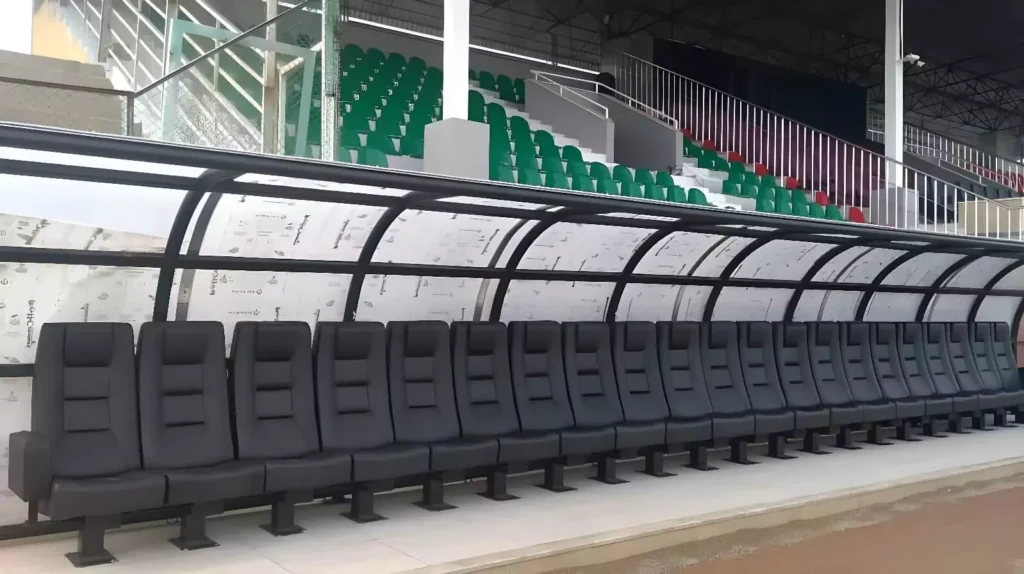
Community Sports Shelters are covered structures built for sporting, recreation and club environments. Some look like simple open-sided shade shelters. Others include storage rooms, team benches, change areas, seating, lighting, lockable bays or small club-use zones.
You might use them for:
• Player benches
• Spectator seating
• Equipment storage
• First aid stations
• Scoring tables
• Coach areas
• Canteen support
• Training gear storage
• Shade near fields and courts
• Wet-weather protection
The best shelter depends on how your club uses the space. A junior footy club may need shaded team benches and bag storage. A cricket club may want a covered scoring area and gear room. A netball club may need seating, shade and safe waiting areas between games.
Common Uses for Sports Shelters
A well-planned shelter can support more than one job. That matters for community clubs where budgets, space and volunteers often need to stretch further than a hamstring after preseason.
| Shelter Use | Why It Helps |
| Player shade | Gives teams a safe rest area during games |
| Spectator cover | Makes grounds more comfortable for families |
| Equipment storage | Keeps balls, nets, cones and tools organised |
| First aid area | Gives injured players a clear support space |
| Scoring and admin | Helps volunteers manage match-day duties |
| Weather protection | Reduces disruption from sun and rain |
| Club events | Supports BBQ days, fundraisers and presentations |
| School sport | Gives students a covered waiting area |
| Multi-sport use | Lets different clubs share the structure |
I like designs that do more than one thing. If a shelter can shade players on Saturday, store equipment during the week and support a community event on Sunday, it earns its keep.
How Much Do Sports Shelters Cost?
The cost of Sports Shelters can vary a lot. Size, materials, site access, wind rating, concrete slab, roofing, seating, storage, lighting and approvals all affect the final price.
Here is a general guide:
| Shelter Type | Estimated Cost Range |
| Small open shade shelter | $5,000 to $15,000+ |
| Medium team shelter | $15,000 to $40,000+ |
| Large spectator shelter | $40,000 to $100,000+ |
| Shelter with storage room | $50,000 to $150,000+ |
| Multi-use club shelter | $100,000 to $300,000+ |
| Custom sports shed structure | Varies based on design and site |
These figures act as a guide only. A simple shade structure beside a training field costs far less than a large custom shelter with storage, power, seating and stormwater management.
For Whitsundays projects, wind rating and weather exposure can also affect pricing. A shelter near an open oval, coastal site or exposed rural ground needs proper engineering.
What Affects Sports Shelter Pricing?
Several factors shape the final cost. Before you compare quotes, make sure each builder includes the same details.
Key cost factors include:
• Shelter size
• Roof span and height
• Steel frame design
• Wind rating
• Concrete slab or footings
• Seating or benches
• Enclosed storage areas
• Electrical work
• Lighting
• Guttering and drainage
• Site preparation
• Council approvals
• Access for machinery
• Custom finishes
A basic open shelter may suit small clubs. But if you need lockable storage, safe lighting, water access, disability-friendly paths or spectator seating, you should plan the budget properly from the start.
The cheapest shelter can become expensive if it misses the things your club needs most.
Choosing the Right Shelter Size
Size depends on who will use the structure and how often. I would start by asking a few practical questions:
• How many players need cover?
• Will spectators use the shelter too?
• Do you need room for team bags?
• Will volunteers use it for scoring or first aid?
• Do you need lockable storage?
• Can multiple clubs share it?
• Will the shelter support school or community events?
Here is a simple sizing guide:
| User Group | Practical Shelter Design |
| Small junior team | Compact shade shelter with bench seating |
| Senior sports team | Wider shelter with gear and player space |
| Spectator area | Longer roofline with seating and open views |
| Multi-sport ground | Flexible shelter with shared storage |
| Club event space | Larger covered area with open access |
| School oval | Durable shelter with easy supervision |
Do not only plan for today’s team numbers. If your club grows, the shelter should still feel useful in five years.
Design Ideas for Community Sports Shelters
Good Sports Shelters should feel practical, clean and tough. They do not need to look like a luxury resort, but they should look considered. A tidy, well-built shelter improves the whole ground.
Design ideas include:
Open-Sided Player Shelters
These work well beside fields and courts. They give shade and airflow while keeping players close to the action.
Covered Spectator Shelters
These suit family areas, grandstand zones and community grounds where people gather for longer periods.
Shelter with Lockable Storage
This gives clubs a place to store balls, nets, posts, cones, line markers, first aid kits and maintenance gear.
Multi-Use Sports Shed
This option works well for clubs that need shelter, storage, admin space and event support in one structure.
Covered BBQ and Event Area
A covered social space can support fundraisers, presentation days and community events.
School and Junior Sport Shelter
This design focuses on shade, supervision, safe access and durable materials.
Insert image of a covered sports shelter with seating, storage and players resting during a weekend match here.
Materials That Work Well in the Whitsundays
The Whitsundays climate can be tough on outdoor structures. You need materials that handle sun, rain, humidity and wind.
Common material choices include:
| Material | Why It Works |
| Steel framing | Strong, durable and suitable for large spans |
| Colorbond roofing | Popular, practical and available in many colours |
| Galvanised components | Helps resist corrosion |
| Concrete slab | Creates a stable, clean surface |
| Powder-coated finishes | Improves appearance and protection |
| Mesh or open sides | Allows airflow and visibility |
| Durable seating | Handles daily use and weather exposure |
Good materials matter because clubs do not want to repair the shelter every season. Community sport already has enough jobs: setting up fields, chasing volunteers, washing jerseys and finding who took the whistle.
Weather Protection and Shade Planning
Shade planning matters in Queensland. A shelter should protect people when the sun sits high, but it should also consider morning and afternoon angles. Otherwise, you can build a roof that looks good at noon but leaves everyone sizzling by 3 p.m.
Think about:
• Sun direction
• Roof overhang
• Seating position
• Field visibility
• Wind direction
• Rain runoff
• Nearby trees
• Drainage paths
• Safe access during wet weather
If the shelter sits near a field, make sure it protects users without blocking play, sightlines or maintenance access. A good shelter should feel helpful, not like someone dropped a shed in the wrong spot and hoped for the best.
Wind Rating and Structural Safety
For the Whitsundays, wind rating matters. Coastal and regional Queensland sites can face strong winds and severe weather. A sports shelter should meet proper engineering requirements for the location.
Your design should consider:
• Site wind classification
• Roof uplift resistance
• Strong footings
• Proper bracing
• Quality fasteners
• Safe roof pitch
• Stormwater flow
• Long-term maintenance access
Do not treat engineering as a boring box to tick. It protects the club, the community and the structure itself.
A shelter that looks neat but cannot handle local conditions creates risk. A well-engineered shelter gives everyone more confidence.
Accessibility and Inclusive Design
Community sport should welcome as many people as possible. That means Sports Shelters should support players, parents, grandparents, volunteers and visitors with different access needs.
Consider:
• Step-free access
• Wide paths
• Space for wheelchairs and prams
• Clear entry points
• Good lighting
• Safe seating areas
• Non-slip surfaces
• Clear viewing lines
• Nearby accessible amenities where possible
Inclusive design does not need to feel complicated. It simply means you plan the space for real people, not just perfect conditions and empty diagrams.
Storage Ideas for Sports Shelters
Storage can turn a shelter into a proper club asset. If your club always struggles to find cones, nets, balls and line markers, lockable storage can save a lot of time.
Useful storage ideas include:
• Lockable equipment room
• Mesh cage for airflow
• Shelving for balls and kits
• Hooks for nets and ropes
• First aid cabinet
• Maintenance tool area
• Separate storage for each club
• Roller door for bulky gear
A shared ground may need divided storage so each club has its own secure section. This avoids confusion, missing equipment and the classic “who borrowed the cones?” investigation.
Lighting, Power and Practical Extras
Lighting and power can make Sports Shelters more useful, especially for evening training, events and volunteer tasks.
Consider adding:
• LED lighting
• Power points
• Scoreboard connection
• Security lighting
• CCTV allowance
• Water access
• Noticeboard space
• Charging points
• Solar options
• Emergency lighting where needed
You may not need every feature from day one, but you can plan wiring and conduits early. Future-proofing costs less when you design for it before the concrete goes down.
Council Approval and Planning
Before building Sports Shelters, check planning and building requirements. Approval needs can depend on land ownership, site zoning, structure size, location, engineering, services and how the shelter will be used.
Clubs should ask:
• Who owns or manages the land?
• Do we need council approval?
• Do we need building certification?
• Does the site have planning overlays?
• Do we need engineering drawings?
• Do we need accessibility upgrades?
• Will stormwater need a design plan?
• Can the shelter connect to power or water?
If the shelter sits on council land, you may also need permission from the land manager before planning the build.
Sort approvals early. Paperwork feels dull, but reworking a project after design is worse.
Funding Ideas for Community Sports Shelters
Many community clubs need funding support for new infrastructure. You may explore grants, council programs, sponsorships, fundraising and shared-use partnerships.
Funding ideas include:
• Local council grants
• Queensland sport and recreation grants
• Federal community infrastructure programs
• Club fundraising
• Local business sponsorship
• Shared funding between clubs
• School and community partnerships
• Naming rights for shelter areas
A strong funding application should show community benefit. Explain how the shelter improves safety, participation, accessibility, weather protection and club operations.
Do not only say, “We need a shelter.” Show why the community needs it.
Mistakes to Avoid When Planning Sports Shelters
A shelter should make the ground easier to use. Poor planning can create daily frustration.
Avoid these mistakes:
• Building too small
• Ignoring wind rating
• Forgetting drainage
• Blocking spectator views
• Skipping storage needs
• Choosing poor materials
• Not planning accessibility
• Ignoring future club growth
• Forgetting lighting and power
• Leaving approvals too late
The biggest mistake? Designing for one use only. A community shelter should serve players, volunteers, families and future users.
Quick Planning Checklist
Use this checklist before you start:
| Planning Question | Why It Matters |
| Who will use the shelter? | Helps define size and features |
| What sports need support? | Guides layout and storage |
| How many people need cover? | Sets roof size and seating |
| Does the site face strong wind? | Affects engineering |
| Do we need lockable storage? | Improves club operations |
| Where does rainwater go? | Prevents muddy access |
| Do we need power or lighting? | Supports training and events |
| Can everyone access it safely? | Improves inclusivity |
| Do we need approvals? | Avoids delays |
| Can we expand later? | Future-proofs the investment |
Print it, take it to the next club meeting and watch everyone suddenly become a facilities expert. In a good way.
Conclusion
Sports Shelters can make community grounds in the Whitsundays safer, more comfortable and more useful. They protect players from sun and rain, give spectators better spaces, support volunteers, store equipment and help clubs run better match days.
The best shelter starts with smart planning. Think about size, weather protection, wind rating, materials, seating, storage, accessibility, approvals and long-term use. A good design should suit your club now and still make sense as your community grows.
If your club wants a practical upgrade, start with a clear needs list, speak with local experts and design the shelter around real people, real weather and real sporting life.
Ready to plan Sports Shelters for your Whitsundays club or community ground? Speak with a local shed specialist and create a design that supports players, volunteers and families for years to come.
Frequently Asked Questions
1. How much do Sports Shelters cost?
Sports Shelters can cost from around $5,000 for a small open shelter to $100,000+ for larger custom designs with storage, seating, lighting and site works. Final pricing depends on size, materials and approvals.
2. What can Sports Shelters be used for?
Sports Shelters can provide player shade, spectator cover, equipment storage, first aid space, scoring areas, BBQ areas, event support and wet-weather protection.
3. Do Sports Shelters need council approval?
They may need approval depending on size, location, land ownership, engineering and use. If the structure sits on council land, your club should check requirements before planning the build.
4. What features should a community sports shelter include?
Useful features include shade cover, durable seating, lockable storage, good drainage, wind-rated engineering, accessible paths, lighting, power points and enough space for future club growth.