
Prefab sheds have become the cool new thing for Aussie backyards. Gone are the days of drab tin huts; modern prefab sheds look sharp and serve many purposes. Think of them like a mini home extension that drops into your garden. They come in steel, wood or even plastic, from tiny storage lockers to spacious two-car garages, and can even double as home offices or retreats. Whether you want to hide your tools or carve out a man cave, prefab sheds have you covered.
What Are Prefab Sheds?
Prefab sheds are buildings constructed off-site in sections or kits, then delivered and assembled on your property. This means faster setup and fewer surprises than building from scratch. Prefab sheds often use Aussie-made Colorbond® steel or zincalume panels, which handle sun, rain and even cyclones better than old corrugated sheds. Unlike old timber huts, these kits are made for the do-it-yourself vibe or easy install by a shed builder. You could bolt it together yourself or hire a pro to speed things up.
Types of Prefab Sheds and Materials
Prefab sheds come in several flavours:
- Metal (Colorbond/Zincalume): The most common. Australian Colorbond steel is rust-resistant and looks neat; Zincalume (plain silver) is cheaper. Most modern garages and storage sheds use these.
- Timber: For a rustic cabin look, some sheds use treated wood. They suit country or garden settings but need painting/sealing. Great if you want a charming cottage vibe.
- Plastic/Poly: Small storage sheds (for garden tools or bikes) are often molded polyethylene. They’re lightweight and affordable (click-together kits), but not very large or heavy-duty.
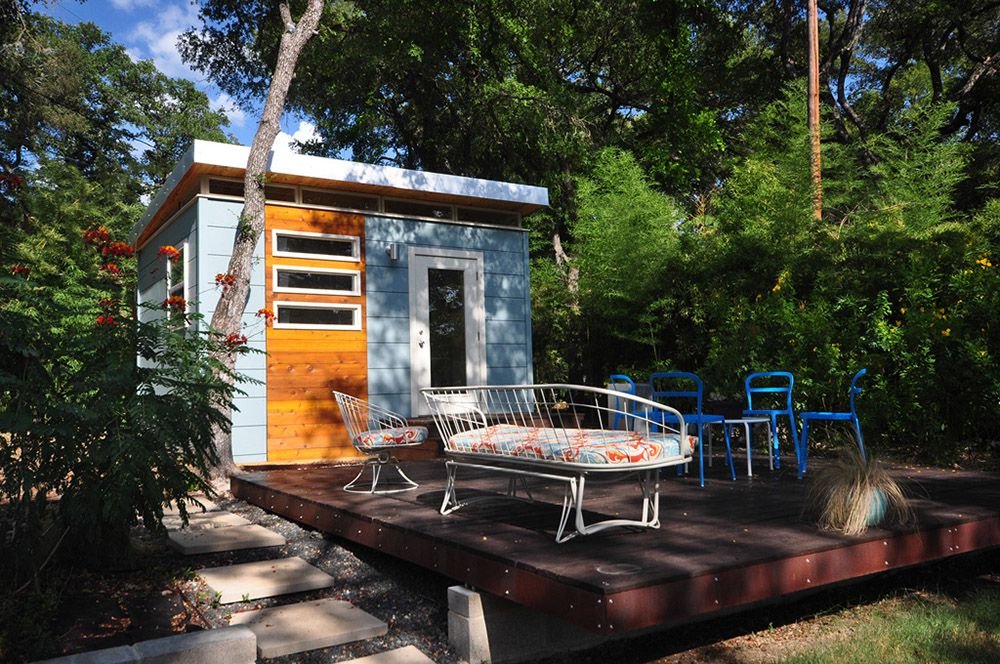
You’ll also find specialty options: insulated studio sheds for home offices, or kits with extra features (windows, skylights, decorative trim). Many companies let you customize wall height, roof style and door placement. Essentially, there’s a prefab solution for nearly every need. When you’re ready, a reliable shed company Australia can show you different models and colours.
Common Shed Sizes & Uses
Prefab sheds are sold by width and length in meters. Here are typical setups:
- 2m x 2m (~4m²): Tiny garden/tool shed. Perfect for lawnmowers, bikes or tools.
- 3m x 3m (~9m²): Small workshop or single-car garage. Handy for a car, motorcycle or a woodwork bench.
- 6m x 6m (36m²): Double garage or full home-office studio. Big enough for two cars plus storage. Colorbond kits this size start around $8k–$9k.
- 6m x 9m and up (54m²+): Extra-large workshops or multi-car garages. A 6×9 shed kit can be $12k–$25k depending on features.
You can also mix dimensions. Need a 4x6m shed or a custom 7x5m layout? Many suppliers offer custom-sizing. The table below visualizes size vs cost:
| Shed Size | Area (m²) | Use | Kit Cost (approx) | Installed Cost (w/ slab) |
|---|---|---|---|---|
| 2 x 2 | 4 | Bike/tools storage | ~$500 | ~$1,500 |
| 3 x 3 | 9 | Workshop/Single garage | ~$3,000 | ~$6,000 |
| 6 x 6 | 36 | Double garage / Studio | ~$8,200 | ~$14,000 |
| 6 x 9 | 54 | Large workshop | ~$12,000+ | ~$20,000+ |
(Costs are illustrative; actual prices depend on materials, location and extras.)
Costs to Expect (And What Drives Them)
Prefab shed prices swing widely with size, materials and extras. The kit price is the biggest chunk. A simple 2×2m steel kit might start under $1,000, while a 6×6m double-garage kit is often $8–$10k. Colorbond steel models cost more than plain zincalume.
Factors affecting cost:
- Size: More area = more steel/wood.
- Material: Colorbond steel (many colours, very durable) is costlier than zincalume or plastic. Timber kits are pricier than metal due to labor.
- Features: Roller doors, windows, insulation, extra height – all add to the price.
- Location: Remote delivery or cyclone-rated engineering adds cost. For example, a cyclone-rated 6×6 shed costs significantly more than a non-cyclone version.
- Labor & Base: Professional installation typically adds about $1,200–$2,500. A concrete slab is around $65–$100 per m².
In short, a small kit might only be a few hundred dollars, but a large garage with slab and extras can reach into the tens of thousands.
Installation & Assembly
Order delivered, now prep the site. A flat concrete slab is usually required. Hiring a concreter costs about $65–$100/m². Ensure the site is cleared and level to save time.
With the slab done, many sheds are assembled in 1–2 days by pros. DIYers can tackle small sheds, but expect larger ones to take longer. Remember, concrete needs time to cure (a few days) before the shed goes up.
Permits & Regulations
Check local rules before building. Luckily, many small sheds don’t need a permit. Each state has exemptions. For example, Victoria’s planning rules allow an outbuilding up to 100m² (non-habitable) without a permit. Other states are similar (often around 10–36m²).
If your shed is large, tall, or has power/plumbing, you’ll probably need approval. Converting a shed to livable space usually triggers higher standards and permits. When in doubt, call your council. They can tell you that a plain 6×6m shed is typically fine permit-free, but a furnished studio might need paperwork.
Conclusion: Plan Your Dream Shed
Prefab sheds have gone from simple storage to flexible backyard spaces. Small kits can cost a few hundred dollars, while double-garage models hit $10k+. Now you know how size, material and extras shape those costs, plus how to handle installations and permits. Next step: sketch your space and list must-haves. Then get quotes from local suppliers or shed builders. A quick chat with a reputable shed company Australia can clarify your options. Before you know it, you’ll have a custom shed ready to enjoy!