
So you’ve decided a triple garage is the next big addition to your Queensland home? That’s awesome. It’s like giving your property a superpower: extra storage, secure parking for all your toys, and even a hobby workshop on the side. Think of it as your home’s ultimate sidekick – a fortress for vehicles and gear. But before you break ground (or swing the first hammer), let’s walk through what it really takes to plan and build that garage, step by step.
Building a triple garage isn’t just about picking a nice-looking shed kit off the shelf. First, ask: What exactly is a triple garage? In Aussie terms, it’s usually a Class 10a (non-habitable) building with three roller doors or bays, each big enough for a car. Typical sizes are around 6–7 m wide by 9 m deep per bay, so expect the whole thing to eat up a decent chunk of your block (often 7m×18–20m total). It’s essentially a big backyard shed on steroids.
People often custom-design them to match their house’s style – think Colorbond walls, gable or skillion roofs, insulation, and even extra windows or workshop space on the side. These days, trends include adding smart lighting, EV charging, or a mezzanine storage loft. The key is that a triple garage combines utility with style – you want it functional for cars and stuff, but also looking like a sleek part of your home’s vibe.
When planning, start with the design and site check: Measure your property and look at your local council’s “house plan” or heritage rules. For example, in some QLD suburbs a triple garage must face the side street or be set back extra from the boundary. Confirm your lot is wide enough (many guidelines say about 18 m frontage for three bays), and note setback distances (maybe an extra 450mm for the third door, per some design codes).
Sketch out the layout: where will the driveway enter? How will cars turn around? Will you include storage or a workshop area inside? This is also the time to browse color and roof options – a woodland grey Colorbond or a classic ironstone can keep things modern and sleek. If you’re feeling overwhelmed, a great idea is to tap into local expertise.
For instance, working with a Professional triple garage shed builder in QLD can save you headaches. They’ll have ready plans or examples of 7m×9m bays, can adjust them to your needs, and ensure the garage “fits” your lifestyle. They also help double-check things like engineering (wind load, roof style) and even add creature comforts (like extra height for a lift). Starting with a clear plan means when you move to the next steps, you won’t be tearing down half-finished walls later.
Navigating Permits and Approvals
Now let’s talk permits – because in QLD, you almost always need them for a big project. Don’t think “It’s just a garage, I’ll sort it later.” That’s like skipping to the dessert before dinner – tempting but a recipe for trouble. Generally, a small shed might be “accepted development” (i.e. exempt) if it’s tiny, non-habitable, and doesn’t break setback or overlay rules. But a triple garage is usually too large for an exemption. Here’s what you should do:
- Check zoning and overlays: See if your lot has any special zones (e.g. heritage, flood, bushfire). These can add extra rules. For instance, coastal homes may need bushfire-resistant materials or higher stilts.
- Apply for Planning Approval (if needed): If your street plan says “special residential” or there are overlays, you may need a Planning Permit (sometimes called development application). This is about where the building sits and its impact.
- Get a Building Permit: In almost all cases, you’ll need a Queensland “building development approval” (building permit) before pouring concrete or erecting frames. This ensures the design meets the National Construction Code and QLD Development Codes (fire separation from your fence, earthquake/wind requirements, etc).
The safe move is to consult the locals. A private certifier or your council’s building department can confirm exactly what you need. Often the process is: you submit your site plan, engineering and building plans, pay fees, and wait for the okay. Be prepared for a quick back-and-forth – certifiers may ask for clarifications (like “show me the slab details” or “note the fire break zone on the plan”). Don’t skip this! A shed builder once told me, “You skip the permit and you’re the one digging it out later,” meaning unauthorized builds can be fined or forced down. So run the self-check: if any answer is “No”, get advice before building.
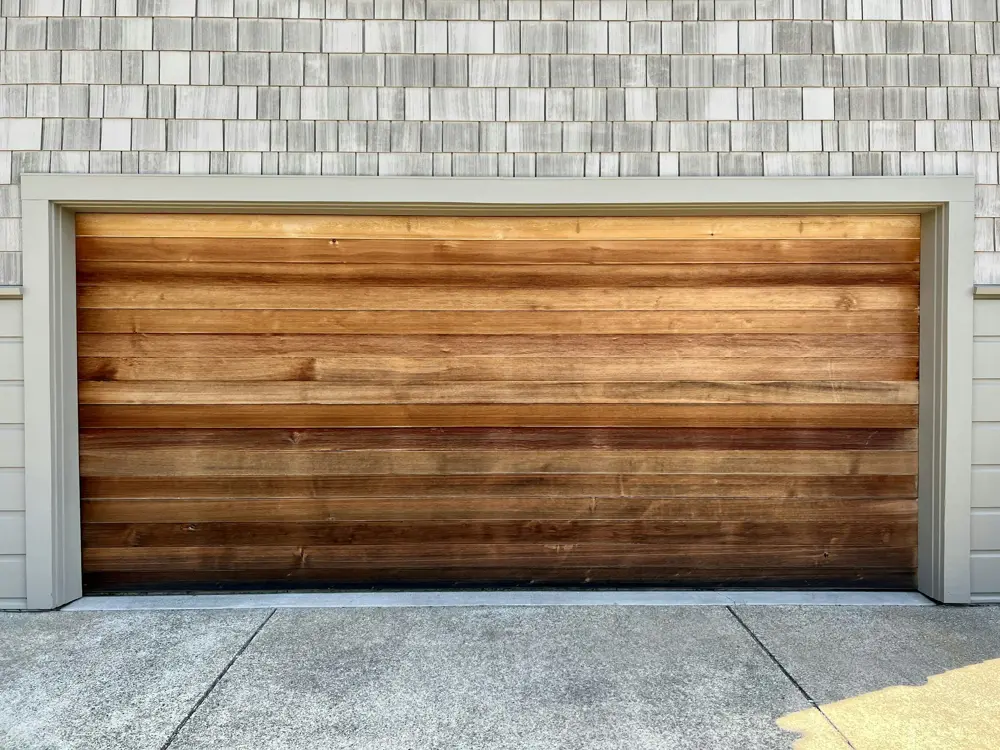
Design detail matters. Here’s an example of a stylish wooden garage door – your triple garage can look this sharp. Investing in a good design and choosing quality materials (and having them certified) ensures your garage not only passes inspection but boosts your home’s curb appeal.
Steps to Build and Typical Timeline
Once the permits are in motion, you’ll move through the actual construction steps. Roughly speaking, here’s a timeline you can plan for (remember, every project is different):
| Stage | What Happens | Approx. Time |
|---|---|---|
| Final Design & Engg | Finalise plans with certifier, get engineering. | 1–2 weeks |
| Permitting | Lodge and wait on council/concurring approval. | 3–8 weeks (or more) |
| Site Prep & Slab | Clear site, excavate, pour concrete slab. | 1 week |
| Steel & Roof | Erect shed frame, install trusses/roofing. | 1–2 weeks |
| Cladding & Doors | Attach walls, fit roller doors and side doors. | 1 week |
| Inspections & Finish | Final inspections, touch-ups, paint, cleanup. | 1–2 weeks |
So from start to finish, think 2–3 months if all goes smoothly. The big wildcard is the approval stage – council workloads can add weeks. For example, Townsville council reported an average of 21 business days (about 1 month) recently for new building approvals, but it could stretch longer if there’s public notification or extra engineering needed. To keep things moving, submit a complete application (so the certifier doesn’t send it back to you for missing papers) and ask up-front about busy periods.
During construction, tradespeople often time everything tightly: concretors come right after site prep; as soon as the slab is set, the shed erector will mark footings and raise the steel frame. You might schedule slab, frame, and final inspections at each stage (don’t skip those!). If you’re doing parts yourself (say, the concreting or painting), plan those around the main build crew. But remember that triple garages are big structures – leaning on an experienced shed crew (or a credible owner-builder) can speed this up.
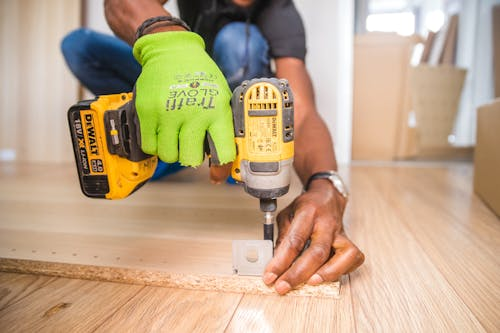
Building day! Using power tools on-site, this is where your plan becomes reality. A typical build from slab to lock-up for a three-car shed takes a few weeks, with inspections at each milestone to keep everything above board.
Hiring, Licenses & Choosing Your Builder
You might wonder: “Can I DIY this and save cash?” Here’s the scoop. In Queensland, the QBCC (Queensland Building and Construction Commission) generally requires a licensed contractor for any building work valued over $3,300 (including labour and materials). A full triple garage clearly exceeds that threshold. That means unless you take an Owner-Builder course and pull permits yourself, you usually hire a licenced shed builder or contractor. The upside? These professionals (often called Sheds or Garages specialists) carry the right insurance, know the code, and bring teams. They’ll handle ordering materials (Colorbond sheets, steel beams, cement, insulation) and work to a schedule.
Working with a local builder also plays into experience. Queensland has unique quirks: cyclonic wind regions in some areas, special flashings for tropical rain, and sun-friendly colors to keep garages cool. Plus, a well-connected builder often helps jump the permit queue (they already have engineers and certifiers at hand).
If you do go the Owner-Builder route, remember you’re on the hook for compliance – any cutting corners could lead to having to rebuild walls or reapply for approval later. In practice, most people find peace of mind hiring an expert. You’ll save a lot of guesswork and potentially avoid costly mistakes, making the extra spend worthwhile.
Now, what about costs? A fully built triple garage can range widely – from roughly $30k to $80k+ – depending on extras (flooring, gutters, electricity, even office space). It’s wise to get quotes and compare. Some people even break it into contract stages: one contractor for the slab, another for the shed frame, etc. Just ensure everyone is coordinated and knows your approved plans.
Final Touches and Enjoying Your New Space
When the steel frame is up and walls are on, you’re almost there! You might want to include features like insulation (Queensland’s sun can bake a metal shed, so foil or blanket insulation helps if you’re parking in summer), internal lighting, and maybe security (motion-sensor lights or a good garage alarm). Consider the door opener too: a triple garage might need 3x remotes or a smart system. And if you’ve got space, think about adding a loft or shelving for extra storage.
Once all is complete, a final council or private certifier inspection will give you the “Certificate of Classification” – a fancy way of saying you have a legal, safe triple garage. Keep that certificate with your home records. Then, trust me, the day you park your cars under one big roof, you’ll feel like you’ve just given your house a serious upgrade.
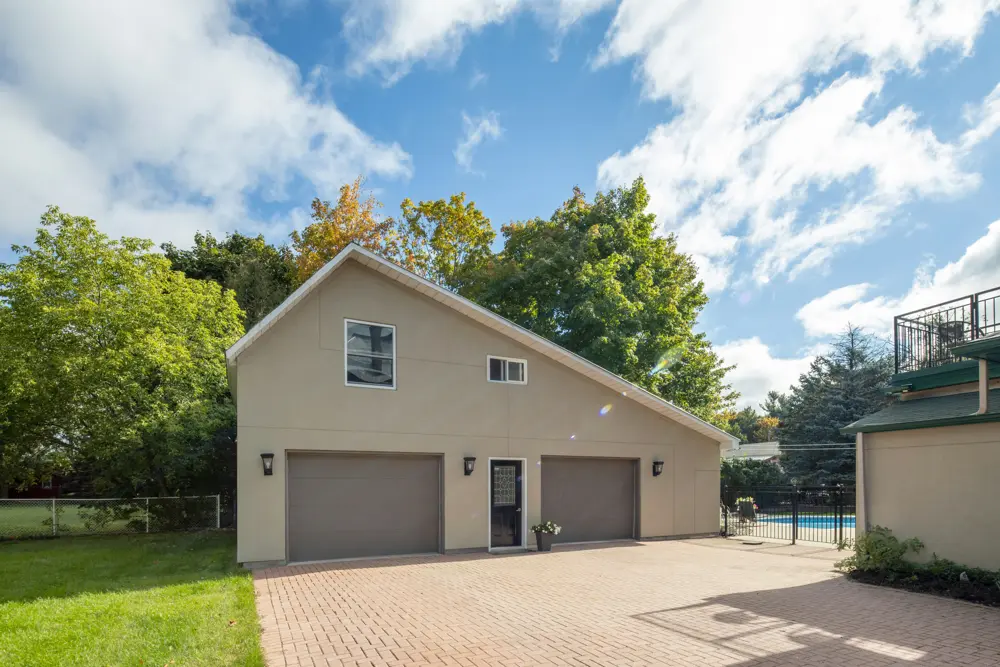
All done! Imagine this scene as your house’s new look – a tidy three-door garage (this example has two) with matching walls, roof and a driveway. Summertime or not, you’ll appreciate the ease of pulling in under cover.
Building a triple garage in Queensland takes a bit of planning, but it’s totally doable. By working through the design, getting the right approvals, and lining up a good builder, you’ll navigate the process smoothly. In the end, you’ll have extra space that’s not just practical, but tailored to your style and needs. So gather those sketches, call a mate (or a shed guru), and let the journey to your dream garage begin!
FAQs
Do I always need a permit for a triple garage in QLD?
Generally, yes. Because a triple garage is big and usually has concrete slab and services, it typically requires a building approval. The only time you might skip council is if your garage is very small (exempt size under local laws) and meets all setback/overlay rules. If in doubt, always check: the Queensland government’s building guidelines state you need a permit for most domestic structures before you start.
How long does it take to get council/building approval?
It varies by location and complexity. On average in QLD, council decisions for straightforward domestic builds can be around 3–4 weeks. More complex sites (heritage or flood zones) could take a couple of months. Remember, if you need both planning and building permits, they can run in sequence. The safe assumption is to allow up to 6–8 weeks total in your schedule for approvals.
What size is a typical triple garage?
A common size is 6–7 meters deep by 9 meters wide per bay. That’s roughly 6×9 for each car space, so overall around 6×20 m for all three (often wider if doors are offset). Some stockshed kits are 7×18 m or 6×18 m total. Always confirm dimensions based on your vehicles (SUVs need a bit more room) and site layout. Check local design rules too – some subdivisions require the third bay to be set back slightly (by about 0.4–0.5 m) from the front facade, to break up the mass.
Do I need a licensed builder?
If your garage project costs more than ~$3,300, yes – Queensland law says you need a QBCC licensed builder to do the work (or you have to become an Owner-Builder and meet all permit requirements yourself). In practice, most triple garages are well over that threshold, so homeowners hire professional shed builders. These builders carry licences and insurance, which means less risk for you if something goes wrong.
What if I change the garage later (e.g. add a workshop)?
Changing a garage’s use (like adding power, plumbing, or living space) usually triggers a new permit. For example, installing a sink or bathroom means you’d need plumbing approvals. If you think you might want a workshop or office inside later, it’s wise to plan for that now – perhaps include extra wiring or a reinforced floor while building. This pre-planning avoids big retrofits (and fees) down the road.
How much does a triple garage cost?
Costs depend on materials and finish. For a basic Colorbond shed (steel frame, walls, roof, roller doors, slab) you might budget around $8,000–$12,000 per car space (so $24k–$36k total as a rough starting point). Upgrades like insulation, internal lining, extra height, or brick veneer can add significant sums. Don’t forget site prep or concreting charges. Always get multiple quotes from credible providers in QLD to compare.