
Building a backyard shed from a kit can feel like tackling an IKEA project for your garden. It is satisfying and efficient because the design work is already done, but there is often some mystery about what actually arrives in the boxes. As someone who once stared at a pile of corrugated panels and screws wondering where the concrete slab was, I have learned that shed kits include a lot of what you need, just not absolutely everything. In this guide, we unpack exactly what most Australian shed kits include, what you will need to organise yourself, and a few practical tips to keep your build smooth and stress free.
What Is a Shed Kit?
A shed kit is essentially a DIY shed in a box. Instead of buying materials one piece at a time, you order a pre engineered package with the main components cut to size. The goal is to remove guesswork from the build. You receive panels for walls and roofs, sometimes floors, along with structural framing, doors, hardware and an instruction manual. Everything is designed to be assembled on site. Australian brands like Keter describe a shed kit as a complete package with pre cut panels, fasteners and step by step directions. It is like a large outdoor jigsaw puzzle delivered in several boxes.
In Australia, shed kits come in many styles, from small resin garden sheds to large steel farm sheds. Some are metal, such as Colorbond® or zinc coated steel, while others use high quality plastic or resin panels. Regardless of material, the purpose of a kit is the same. It supplies all main structural components in one delivery. You do not need to source steel sheets or timber and cut them yourself.
Instead, the kit arrives with labelled parts that are ready to bolt together. One supplier sums it up by saying that each garden shed kit typically includes panels for walls, floors and roofs, doors, screws and fasteners, and instruction manuals. In short, you receive most of the bones of the shed in one go, provided you handle the assembly.
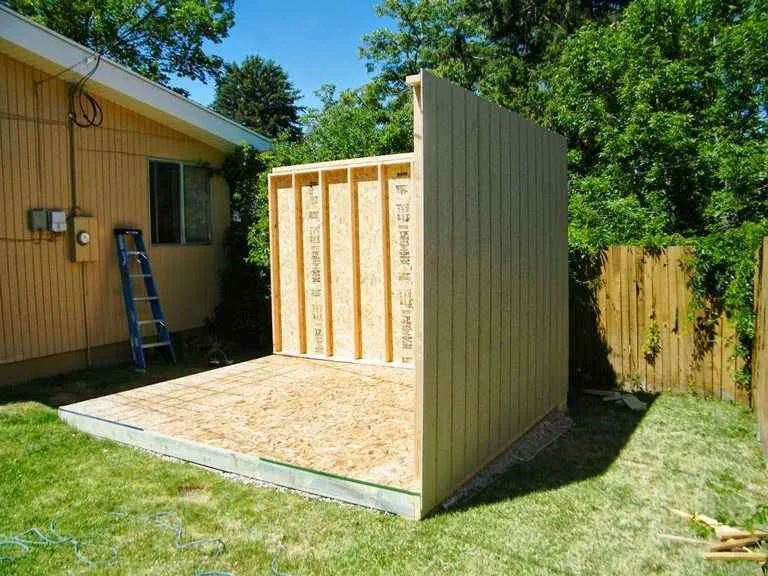
What’s Typically Included in a Shed Kit
Most Australian shed kits cover the essential building blocks. In broad terms, here is what you can usually expect inside the box:
- Walls, roof and sometimes floor panels: Pre cut panels made from metal such as Colorbond® steel or zincalume, or from heavy duty resin. These form the external shell of the shed. Panels are usually cut to exact dimensions so trimming is rarely needed.
- Structural frame components: Steel beams, columns, portal frames or timber sections that form the skeleton of the shed. Larger kits include purlins, rafters and brackets. Smaller garden sheds may have framing built into the panels themselves.
- Doors and windows: Most kits include at least one door, whether it is a roller door, sliding door or hinged door. Windows are less common in basic kits but may be included in premium options or offered as add ons.
- Fixings and hardware: Screws, bolts, rivets, brackets and other fixings required for assembly are generally supplied. Many manufacturers confirm that all brackets, bolts, flashings and fixings are included, so you do not need to guess what fasteners to buy.
- Flashings and capping: Steel shed kits typically include ridge capping, corner trims and end flashings to finish joints and help prevent leaks. In resin sheds, these details are often integrated into the panel design.
- Instruction manuals and documentation: Clear assembly instructions are a key part of any kit. Larger engineered sheds often include drawings and compliance documentation for council or certification purposes.
- Optional extras if ordered: Some kits can include or be upgraded with insulation, whirlybird vents, skylights or floor systems. These are not standard in all kits but can be bundled at purchase if selected.
In practical terms, your delivery usually contains panels for walls and roofs, doors, fasteners and instructions. One Australian supplier describes their kits as including a fully welded frame, Colorbond® or zincalume sheeting, pre cut and pre drilled components, and all brackets and bolts. This means that when the delivery arrives, often across several boxes or pallets, the parts are organised and labelled, ready for assembly. Everything required to build the shed shell is normally included.
If you want more planning detail, our residential sheds guide covers costs, sizes and configuration options for common Australian projects.
What’s Often Not Included (What You’ll Need to Supply)
Even though shed kits are comprehensive, there are several important items that you must organise yourself. These are essential but are not usually supplied by the manufacturer.
- Foundation or base: Concrete slabs, timber bearers or other foundations are almost never included. A solid, level base is required, but preparing it is your responsibility. Many steel sheds require a concrete slab for stability and compliance. Some lightweight resin sheds allow installation on compacted gravel or pavers, but site preparation is still required.
- Tools: Kits include parts, not tools. You will need basic DIY equipment such as an electric drill, screwdrivers, spanners, a tape measure and a ladder. Safety gear like gloves and eye protection is also recommended.
- Sealants and paint: Silicone sealant, caulking and touch up paint are usually not included. These finishing materials are often needed to improve weather resistance and appearance.
- Labour and assembly: Shed kits are supplied as DIY products. You assemble the shed yourself or hire someone to do it. Larger sheds are much easier with two or more people, especially when lifting wall and roof panels.
- Electrical and plumbing: Power, lighting, water and drainage are not part of a standard shed kit. These services are added later by licensed trades if required.
- Interior fit out: Shelving, workbenches and storage systems are not included unless specifically ordered as accessories.
- Site preparation: Clearing vegetation, levelling ground and removing old structures are outside the scope of a shed kit.
| Included in Shed Kits | Not Included (What You Provide) |
|---|---|
| Pre cut wall and roof panels | Concrete slab or foundation |
| Steel frame components | Tools and equipment |
| Doors and any specified windows | Electrical wiring and lighting |
| Screws, bolts, brackets and flashings | Labour and assembly |
| Manuals and engineering documents | Interior shelving and benches |
| Optional add ons if ordered | Site clearing and levelling |
Some kits include anchor bolts for fixing the shed to a slab, while others sell them separately. In cyclone prone areas, additional bracing or anchor kits may be required and are often purchased as upgrades.
Materials, Styles and Customisation
Shed kits vary widely in materials and appearance, which can influence what is included.
- Steel sheds: These are the most common in Australia. Kits usually include Colorbond® or galvanised steel wall and roof sheets, along with steel framing. Insulation is not typically included unless ordered as an extra.
- Resin or plastic sheds: Popular for small garden sheds, these use interlocking plastic panels. Many include floor panels and claim installation without a concrete slab, provided the surface is flat and firm.
- Timber kits: Less common, but sometimes used for garden rooms or studios. These include pre cut timber sections but still require painting and foundations.
Most suppliers allow customisation at the time of order. You can often choose colours, roof styles, door layouts and optional extras such as windows, vents or insulation. In cyclone regions, structural upgrades may also be available to meet local requirements.
Assembly Tips and Tools
Building a shed kit is a manageable DIY project with preparation and patience.
- Gather tools before starting, including a drill, spanners, ladder and spirit level.
- Work with at least one other person when handling large panels.
- Lay out all components and check them against the inventory list before assembly.
- Prepare the base carefully so it is level and square.
- Follow the instructions step by step and avoid forcing parts into place.

Regulations and Planning
Sheds in Australia are generally classified as Class 10a structures under the National Construction Code. Small sheds may be exempt from approval, but larger sheds usually require council approval or certification. Requirements vary by location, so it is important to check with your local council or a private certifier before purchasing. For authoritative guidance, consult the Australian Building Codes Board’s guidance on Class 10a structures under the National Construction Code.
Setbacks from boundaries, site coverage limits and service clearances also apply. These considerations are not part of the kit but are essential for compliance.
Conclusion: Ready to Build Your Own Shed?
A shed kit provides the structure of your shed, including walls, roof, frame, doors, fixings and plans. You supply the foundation, tools and labour. This approach makes it a convenient and cost effective way to add storage or workspace without designing from scratch.
With careful site preparation, the right kit and a clear understanding of what is included, most homeowners can successfully assemble their own shed. Happy building.
Frequently Asked Questions
What is typically included in an Australian shed kit?
Most shed kits include pre cut wall and roof panels, structural framing, doors, fixings, trim pieces and assembly instructions. Optional extras may be included if ordered.
Do I need a concrete base for a shed kit?
Most steel sheds require a concrete slab, which is not included. Some resin sheds allow installation on other flat surfaces, but proper ground preparation is still essential.
Are fixings included?
Yes, most kits include all screws, bolts and brackets needed for assembly, though anchor bolts may sometimes be sold separately.
Can shed kits be customised?
Many suppliers allow you to choose colours, roof styles and optional extras at the time of purchase.
Do I need council approval?
Approval depends on shed size and local regulations. Always check with your local council before building.