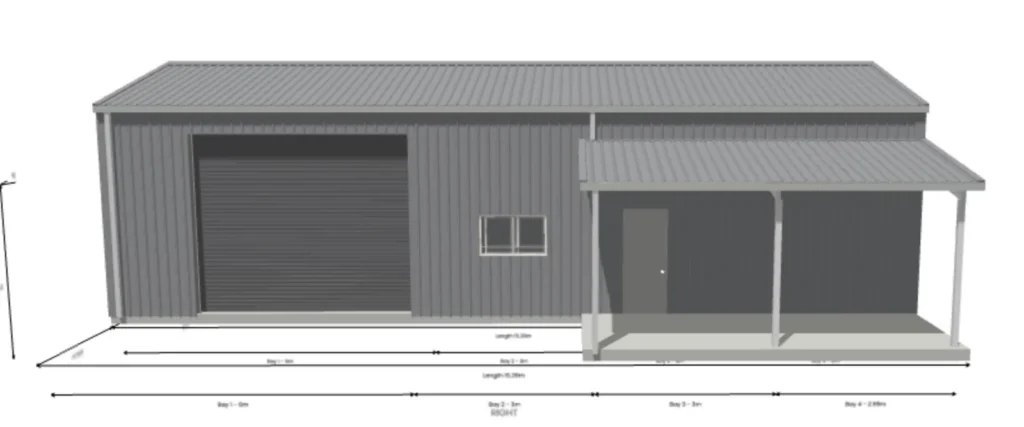
Big Rural Sheds in Queensland: How to Plan Width, Height, Span & Machinery Access
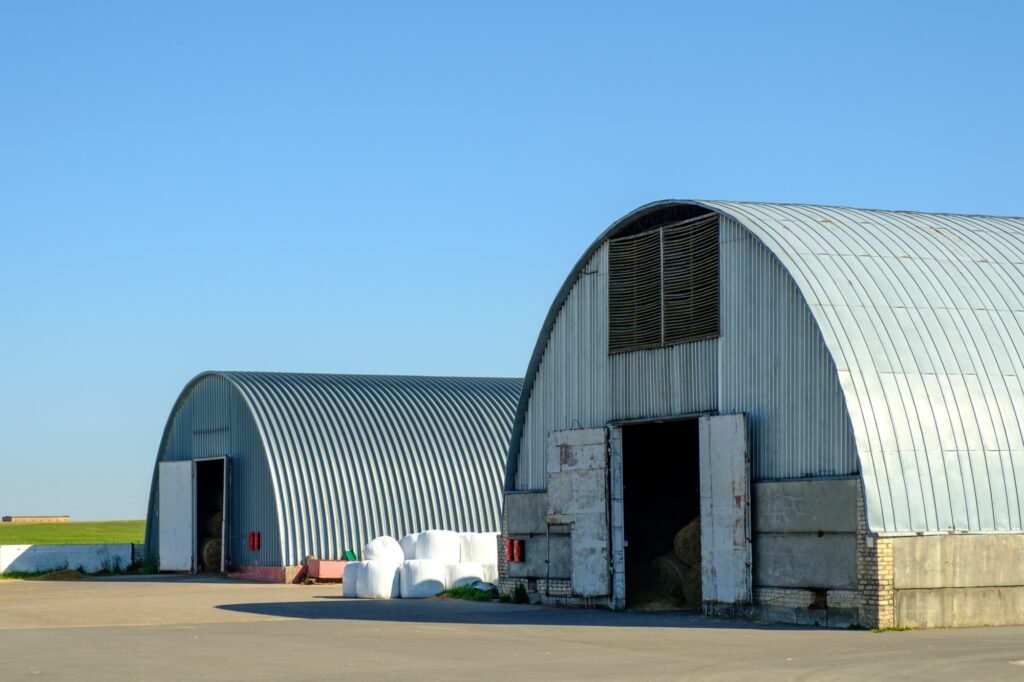
Imagine you’re eyeing a wide-open Queensland paddock and dreaming of the ultimate farm shed—one tall and wide enough to house all your gear, hay bales, and even a tractor or two. Planning a big rural shed is a bit like folding out a giant pair of pants: you need enough leg room (width), height over the head (clearance), and belly space (length) to fit your biggest equipment comfortably. Let’s dive into the nitty-gritty of sizing up a massive Queensland shed so that by the time the first nail goes in, you’re all set for success. Start with Your Shed’s Footprint and Clearspan The first question is “How wide should it be?” and that depends on what you want to store and how you’ll move in and out. A clearspan shed (no internal columns interrupting the floor space) is a popular choice for farmers because it maximises usable area. For example, clearspans often come in standard sizes like 15m, 18m, 21m, 24m, 27m and 30m, all the way up to huge 36m or even 56m widths used in big hay barns. In practice, 24m is a sweet spot – it’s the most common clearspan width and can fit two semi-trailers side by side with room to spare. If you’re storing cars or small tractors only, a modest 6–9m width might even do. But for full-sized farm machinery or multiple vehicles, think big: plan at least as wide as your longest piece of equipment plus a safety buffer. For instance, the Action Steel guide notes that a single semi-trailer usually needs about 21m of span to fully enter the shed, while a B-double (two trailers) can need around 30m of span or a clever combination of span plus an extra canopy. It’s smart to draw a quick plan on the ground or on paper. Mark where each machine will sit and how it will turn around. Give yourself an extra 20–30% space beyond the absolute minimum just so you don’t end up with a puzzle of dodging tail lifts and skipping hay bales. (Tip: if obstacles like fences or existing yards dictate dimensions, you might end up picking the span to fit around them, but if you have a blank slate, sticking to common clearspan modules will save you cost and headaches.) Table: Typical Clearspan Widths & Uses (Queensland Farm Sheds) Clearspan Width (m) Typical Use / Machinery 15m Smaller tractors, mower, hay storage 18m Mid-size tractors, farm vehicles 21m Standard semi-trailers, wide gear 24m Multiple trucks, large machinery 27m Extra canopy or very large equipment 30m+ B-double trucks, agri-equipment fleets A classic country shed (here with hay bales outside) gives a sense of scale. In Queensland, rural barns like this often use wide clearspans (common sizes 15m–30m+) to fit tractors, trailers and big harvesters. Behind the scenes, steel shed manufacturers set up truss “jigs” for these standard widths, making 24m clearspans more cost-effective than one-off sizes. If your dream width isn’t on the common list, consider tricks like adding a roof canopy: for example, if you need 30m but can only get 24m span easily, you could attach a 6m cantilever canopy on one side to effectively cover 30m. In short, use standard spans when possible for savings, but talk it through with experienced rural shed builders to confirm what works for your site and gear. Measure Height & Clearance Carefully Just as important as width is vertical clearance. You’ll want the shed tall enough for your tallest machine (plus a safety margin) and for any door mechanisms. Start by measuring the highest point of your largest tractor, truck, or other equipment from ground to roofline. In Australia, remember that adding roof insulation, whirlybirds or lights can eat up extra headroom. A good rule of thumb is to add at least 150–300mm clearance above your tallest item. For instance, if a harvester stands 4.2m high, aim for an eave height (the lower roof edge) of around 4.5m or more to avoid dinging the roof when doors roll up. And speaking of doors: if you have roll-up doors or vehicles with roof racks, ensure your door openings match your machines plus the swing or rolling space. If you’re driving a caravan or camper in, you might need even more clearance. In practice, many QLD farmers go with eaves of 5–7m for big sheds so that large trucks and farm gear pass through easily. Just keep in mind that taller sheds cost more steel and might need higher foundations – but trust me, you don’t want to skimp on clearance only to find your crane boom scrapes the roof. Finally, check local height regulations. In Queensland, anything over about 2.4m at the peak often triggers council approval, even for sheds. For big rural sheds, you’re almost certainly above that, so plan ahead for permits and remember that an engineer’s drawings might be needed. With the right permits and a proper height, you’ll have space to grow and won’t bust a head on every beam. Choose a Span and Structure for Your Needs Now let’s talk about structural span and shed layout. Clearspans (no internal posts) are great for easy manoeuvring: trucks and tractors can glide in with no columns in the way. If your shed is especially wide (say over 30m), engineering might require internal portal frames or trusses. But for typical rural spans up to 24–30m, a single truss across the width is common. Most suppliers offer their frame components in lengths up to 12m or so, which get bolted together to cover larger spans. The Action Steel guide suggests many standard designs use 6–8.5m bay spacings (the distance between the vertical frame columns). For example, a 24m-wide shed might have four bays at 6m each, giving strong support for the roof without intruding on the center floor. Whether you pick a gable roof, skillion (mono) roof or something else, make sure the peak height is tall enough above your machines. Shallow roofs can look snazzy, but remember they reduce internal